Starting a garden provides you with unlimited opportunities for creativity.
Starting a garden at home can be one of the most rewarding experiences you’ll ever undertake, whether you’re a complete beginner or someone who’s been growing plants for years. You might have a sprawling backyard just waiting to be transformed, or maybe all you’ve got is a cozy balcony with decent sunlight.
Either way, you’ve got options, and plenty of them. The real secret to success? Understanding what you’re working with: your space, climate, and what you genuinely want from your garden.
Container Gardening for Limited Spaces
Container gardening has absolutely exploded in popularity, especially among city dwellers who refuse to let limited space stop them from growing their own food. This approach is wonderfully versatile; you can grow an impressive variety of plants in pots, planters, window boxes, or just about any container you can think of, whether it’s sitting on your patio, balcony, or perched on a sunny windowsill.
What makes container gardening so appealing is the flexibility it offers; you can easily move plants around to catch the best sunlight or bring them to shelter when the weather turns nasty. Tomatoes, peppers, lettuce, and all kinds of herbs love container life, provided you give them proper drainage and good soil.
Raised Bed Gardens for Enhanced Control When Starting a Garden
Raised bed gardens strike that perfect balance between traditional ground gardening and container growing, giving you the best of both worlds. These structures, built from wood, composite materials, or metal, lift your growing area up and provide excellent drainage while letting you dictate exactly what kind of soil your plants will call home.
Here’s something you’ll love: raised beds warm up considerably faster when spring arrives, which means you’re extending your growing season and getting better yields from those sun-loving crops. The defined borders make everything easier to manage by keeping weeds at bay and creating natural pathways between your beds.
Traditional In-Ground Vegetable Gardens
For those lucky enough to have yard space to spare, traditional in-ground gardens remain the tried-and-true classic that’s also incredibly cost-effective. This method lets you work with the soil you’ve already got. Though you’ll definitely want to improve it by working in compost and organic matter, your plants will thank you with explosive growth.
In-ground gardens give larger plants and perennials the root space they desperately need, making this the ideal choice for big crops like corn, sprawling squash, juicy melons, and fruit trees that need room to stretch their root systems. Sure, you’ll invest more time upfront in soil prep, and you’ll be managing weeds on an ongoing basis, but there’s a real advantage here: you’re allowing natural soil ecosystems to develop, complete with beneficial microbes that do wonders for plant health.
Indoor Gardening and Hydroponics
Indoor gardening has undergone a remarkable transformation thanks to modern technology, and now you can grow plants year-round without worrying about what’s happening outside your window. Hydroponic systems, which grow plants in nutrient-rich water without any soil, have become surprisingly accessible for home gardeners who want to experiment with something different.
These setups range from simple countertop herb gardens perfect for beginners to sophisticated multi-tier systems that can seriously produce, giving you substantial quantities of leafy greens, herbs, and even vegetables that bear fruit. LED grow lights have been game-changers, making indoor gardening both energy-efficient and remarkably effective by providing the full light spectrum plants crave for photosynthesis.
Vertical Gardens and Trellising Systems for Starting a Garden
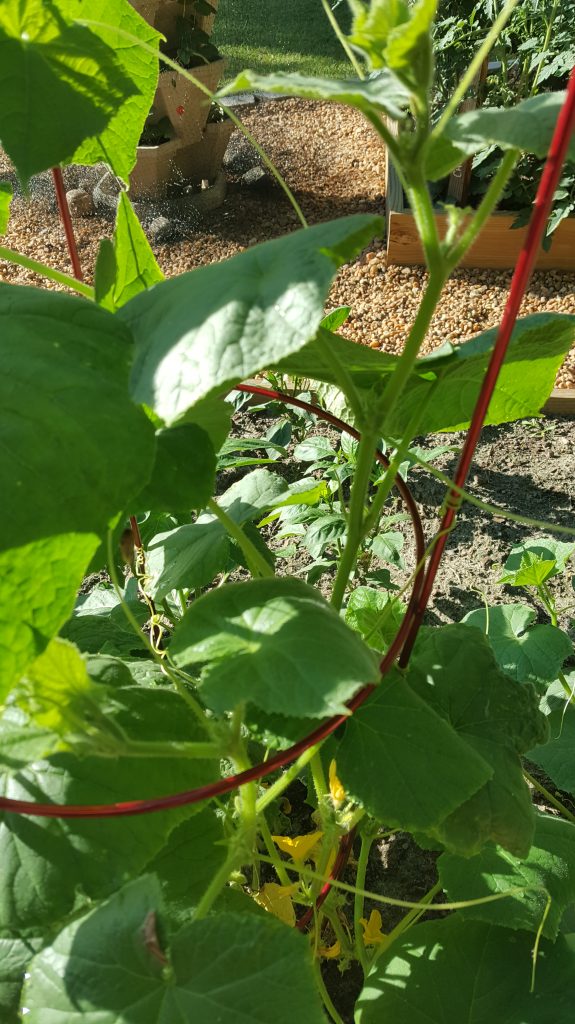
Vertical gardening is all about getting clever with your space, growing up instead of out, which makes it ideal for small yards and urban settings where every square foot matters. Wall-mounted planters, living walls, vertical towers, and various trellising systems let you grow climbing vegetables like beans, peas, cucumbers, and vining tomatoes while keeping them off the ground and freeing up precious horizontal real estate.
This upward approach improves air circulation dramatically around your plants, which means fewer disease issues and harvesting that’s way easier on your back. Vertical gardens can serve double duty as productive growing spaces and eye-catching design features that make your outdoor area special.
Specialty Growing Options
Beyond the standard vegetables and flowers, home gardeners can venture into all sorts of specialty growing options that bring unique benefits and genuinely interesting experiences to your gardening journey.
Herb gardens deliver fresh culinary ingredients while demanding minimal space and upkeep, making them perfect for that sunny kitchen windowsill or a small corner of your patio. Medicinal herb gardens let you cultivate plants specifically for teas, tinctures, and natural remedies that you’d otherwise buy at premium prices. Berry patches, think strawberries, blueberries, and raspberries, provide absolutely delicious harvests year after year once you get them established. Pollinator gardens filled with native flowers support your local ecosystem while creating genuinely beautiful landscapes.
Some gardeners get even more adventurous, cultivating exotic edibles or specialty crops that flourish in controlled environments where conditions can be fine-tuned. For those looking to expand their indoor growing capabilities, professionals who need to grow mushrooms at home in controlled conditions can utilize specialized kits and cultivation systems that provide optimal humidity and temperature levels. These alternative gardening approaches let you align your growing efforts with personal interests, dietary preferences, and local growing conditions while expanding your horticultural knowledge and building real self-sufficiency in ways that matter to you.

Final Thoughts on Starting a Garden at Your Home
Creating an at-home garden opens up a world of possibilities, regardless of how much space you have, how experienced you are, or what specifically interests you about growing plants. From compact container gardens that thrive on apartment balconies to expansive in-ground plots capable of feeding entire families through the seasons, each approach brings distinct advantages suited to different situations and personal goals.
The real key to successful home gardening isn’t about doing everything at once, it’s about starting with a method that genuinely matches your resources and the time you can realistically commit, then expanding naturally as you gain experience and confidence. By choosing the right gardening approach for your particular circumstances and dedicating yourself to learning proper growing techniques, you’ll enjoy fresh and healthy produce, beautiful flowers that brighten your days, and that immense satisfaction that can only come from nurturing plants from tiny seeds all the way to an abundant harvest.